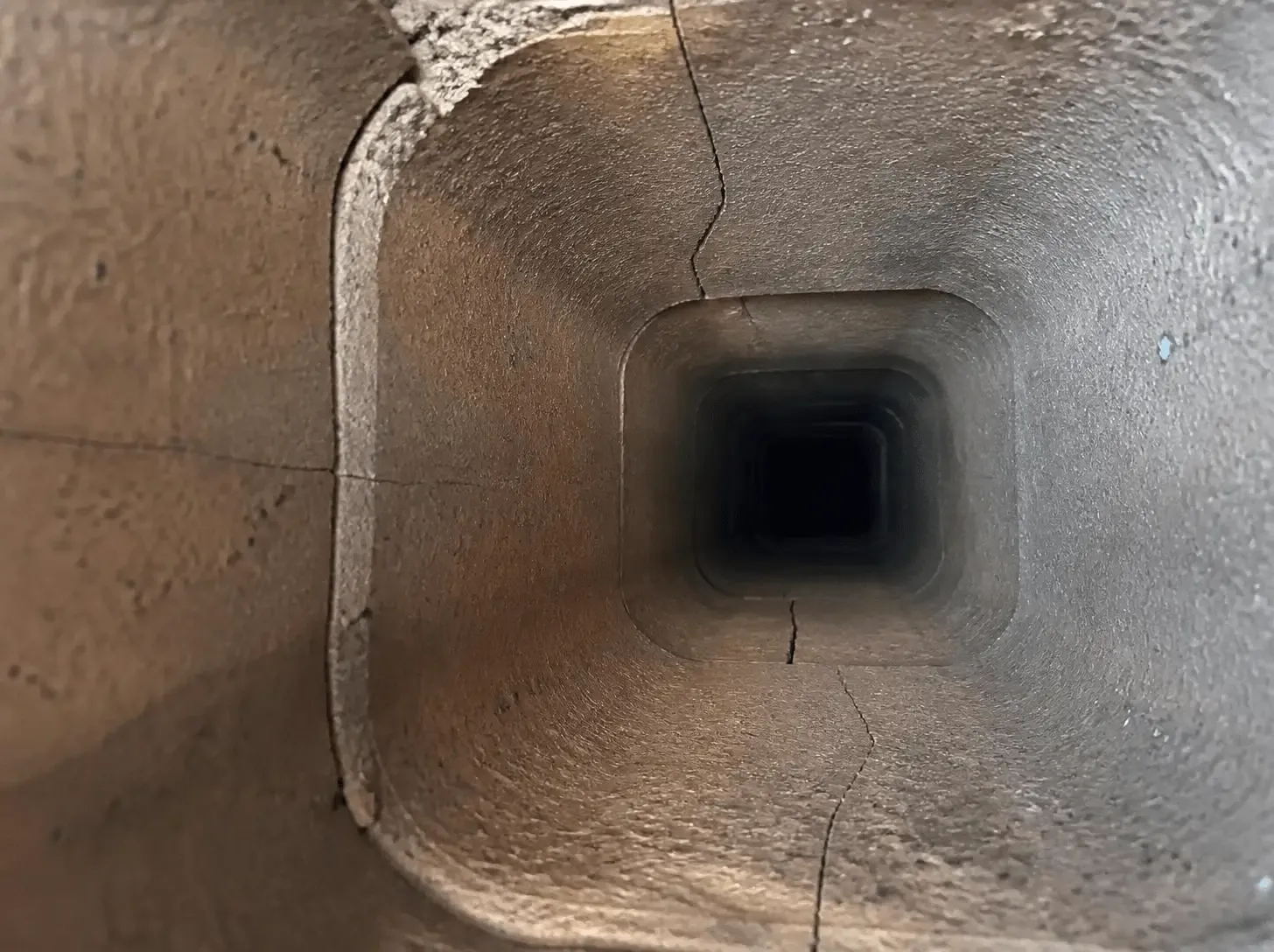
When the rain starts rolling in across Pinellas County, most homeowners focus on leaky roofs, flooded driveways, and the humidity seeping into their closets. Few stop to think about what's happening inside their dryer vent system. Yet this is one of the most overlooked areas of home maintenance during Florida's wettest months, and it's also one of the most important.
DryerVent Cleaning in Pinellas, FL becomes especially critical from June through September, when moisture levels climb and airflow inside vent systems struggles to keep up.
Why Humidity Changes Everything
Dryer vents are designed to push warm, moist air outside after every load of laundry. In a typical dry climate, lint and residue build up slowly over time. Florida's rainy season adds an extra layer of resistance to that process. The outside air is already saturated with moisture, so the vent has to work harder to push air out. Lint that would normally dryer out and blow through the duct system instead absorbs ambient humidity. It turns damp and clings tenaciously to the interior walls of the vent.
Over several weeks, this creates a thicker, stickier buildup than what develops during the drier months. A vent that seemed fine in April can become a genuine fire hazard and a mold risk by August.
Fire Hazards and Mold Growth
What makes this season different from the rest of the year is the double threat it creates. Standard dryer vent buildup is mostly a fire hazard, since compacted lint is highly flammable and can restrict airflow, causing dryers to work harder and run hotter. Safety organisations such as the National Fire Protection Association (NFPA) highlight proper dryer vent maintenance as an important step in reducing dryer-related fire risks.
That combination is why professionals recommend scheduling this service before the rainy season peaks, rather than after. Proactive maintenance prevents a situation where a homeowner is forced to deal with both mold remediation and fire prevention simultaneously.
Signs Your Vent Needs Attention
Homeowners in the region should watch for a few warning signs once the humidity sets in:
a. Clothes taking longer than usual to dryer, even on high heat.
b. A musty smell coming from the laundry area.
c. Visible lint gathering near the outside vent flap (a sign that the airflow isn't strong enough to push debris clear of the house).
d. The dryer feeling hot to the touch during a cycle.
e. A burning smell that wasn't there before.
Any one of these on its own might not mean much. Two or more together, during peak rainy season, usually point to reduced airflow and moisture trapped inside the duct.
What to Expect From a Professional dryer Vent Service
A proper vent cleaning service does more than a quick vacuum near the dryer's back panel. Technicians typically:
a. Inspect the full duct length, from the dryer to the exterior vent.
b. Remove compacted lint and debris using specialized brushes and vacuum equipment.
c. Check the exterior vent flap for damage or blockage caused by nesting birds or debris, which can save energy costs by preventing back-drafting.
d. Test airflow after cleaning to confirm the system is working properly.
This comprehensive service removes blockages that a standard household vacuum or a DIY brush kit simply cannot reach, especially in the longer duct runs common in larger Pinellas homes, where vents often travel through attics or second-story walls, making DIY access even more difficult.
Conclusion
Scheduling maintenance before the heaviest rains arrive gives the dryer vent system a real chance to handle the added humidity without strain. Homeowners who wait until problems appear often find themselves dealing with reduced dryer efficiency, higher energy bills, or worse, an actual house fire.
Don't wait for the warning signs. Schedule a professional dryer vent inspection before the end of May to ensure your system is ready for the humidity.