When the Chimney Becomes Free Real Estate
An open chimney can look harmless from the ground, but to birds, squirrels, raccoons, and the occasional overly ambitious critter, it can look like a luxury apartment with rooftop access. It is tall, sheltered, warm at certain times of year, and usually quiet for months. Unfortunately, what feels like a perfect nesting spot for wildlife can create serious problems for the fireplace, flue, and the people inside the building.
Animal nesting inside a chimney is more than a strange scratching sound or a surprise chirp from the firebox. Nesting debris can block airflow, trap moisture, create odors, attract insects, and increase fire risk when you use the fireplace or heating appliance again. Homeowners, landlords, and business owners should never ignore an open chimney just because it “worked fine last season.”
Why Animals Choose Chimneys in the First Place
Animals are practical. They look for shelter that is dry, elevated, protected from predators, and close to food sources. A chimney without a proper cap or spark arrestor checks many of those boxes. Birds may build nests near the top of the flue. Squirrels can drop twigs, leaves, and insulation-like material into the passage. Raccoons may enter larger flues or damaged chimney openings and treat the place like they signed a lease.
The problem is that chimneys are designed to vent smoke, gases, and heat, not to host wildlife. A flue needs a clear passage from the firebox or appliance connector to the top of the chimney. When nesting material narrows that passage, draft performance changes quickly. Smoke may move slower, spill into the room, or leave heavier soot deposits along the liner.
The Hidden Blockage You Do Not See From the Hearth
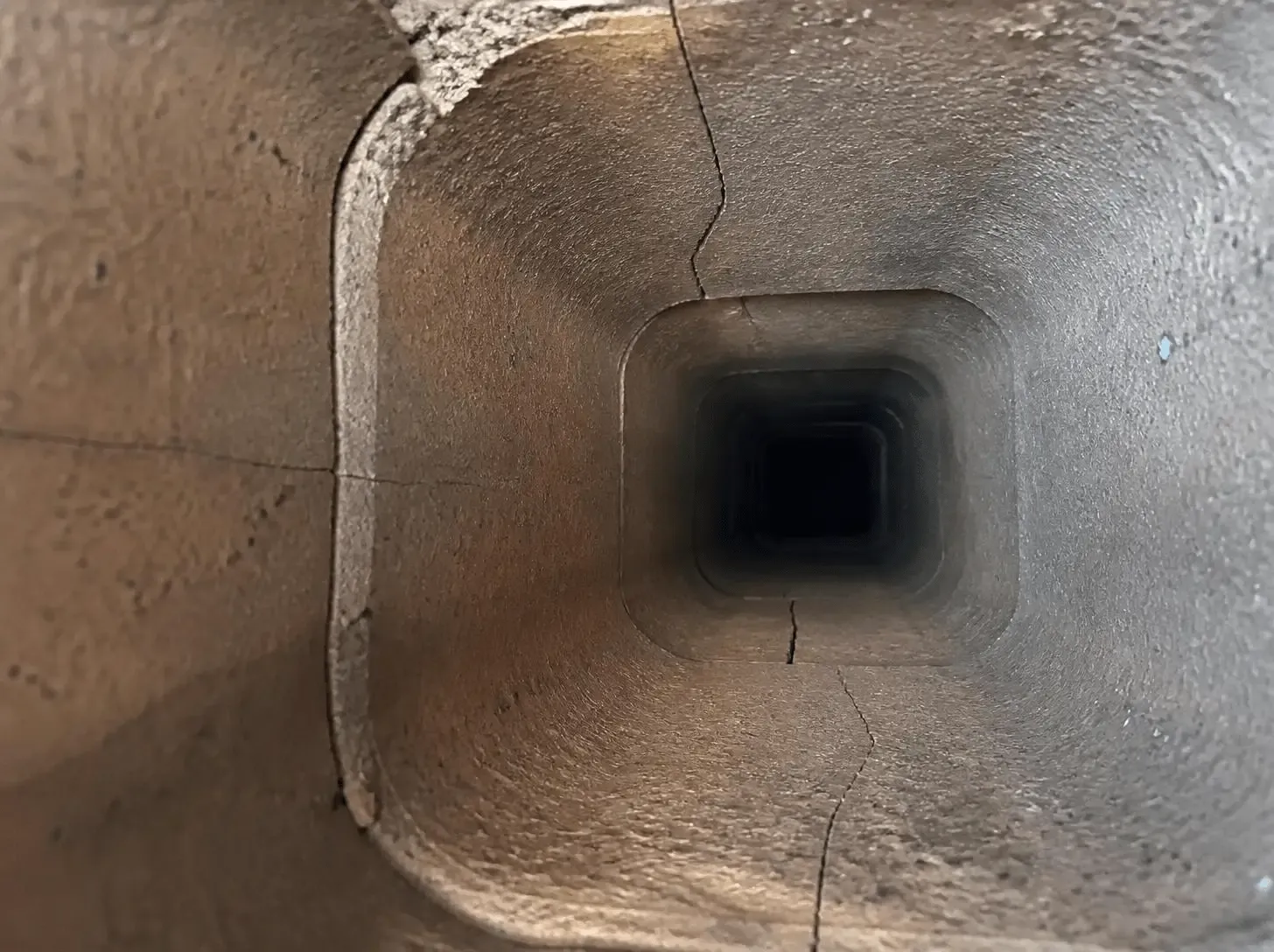
One tricky thing about animal nesting is that the fireplace may look completely normal from inside the room. The firebox can be clean, the damper may open, and the hearth might look ready for use. The blockage, however, could be several feet above the smoke chamber, sitting inside the flue where you cannot see it without proper inspection tools.
A partial blockage can still cause problems. Smoke needs steady upward movement. If a nest, leaves, feathers, twigs, or nesting debris interrupts that flow, the chimney may draft poorly. That can lead to smoke rollout, lingering odors, excessive soot, and poor fire performance. In severe cases, a blocked flue can prevent combustion gases from venting safely.
This is why technicians take chimney obstructions seriously. A chimney is not “mostly clear” in the way a hallway can be mostly clear. When fire and exhaust are involved, restricted venting is a real concern.
Nesting Debris Can Become Fire Fuel
Dry twigs, leaves, grass, feathers, and paper-like nesting materials do not belong inside a chimney. Once fireplace season begins, those materials can become highly combustible. A small nest near the top of the flue or tucked along a smoke shelf may ignite or contribute to dangerous chimney fire conditions.
Creosote makes the issue even worse. Creosote is the residue left behind when wood smoke cools and sticks to the inside of the flue. When nesting debris mixes with creosote deposits, the chimney becomes harder to clean and more hazardous to use. It is a bit like storing kindling in the exhaust path and hoping the fire behaves politely. Fire, as usual, does not do polite.
A professional chimney sweep can remove nesting debris, evaluate creosote buildup, and check whether the liner or masonry has been affected.
Odors, Moisture, and Insects Often Follow
Animal nesting does not always announce itself with dramatic noises. Sometimes the first sign is a sour, smoky, or musty odor coming from the fireplace. Nesting material can hold moisture, especially after rain enters an uncapped chimney. Damp debris in the flue can create unpleasant smells and contribute to staining, corrosion, or deterioration of the masonry.
There is also the pest factor. Old nests can attract insects, mites, and other unwanted guests. If an animal becomes trapped or leaves waste inside the chimney, the odor and sanitation concerns become even more serious. Business owners and property managers should be especially careful here because fireplace odors in a rental, restaurant, office, or hospitality space can quickly turn into complaints.
A chimney should smell neutral. If the fireplace smells like damp leaves, smoke, animals, or something you would rather not identify, it is time for an inspection.
The Chimney Cap Is the First Line of Defense
The best way to reduce animal nesting risk is to keep wildlife out in the first place. A properly installed chimney cap with a suitable screen blocks birds, squirrels, raccoons, leaves, and wind-driven debris while still letting smoke and gases vent.
The cap also helps protect the flue from rain. That matters because moisture is one of the biggest causes of chimney damage. A good cap offers better protection from both animals and weather, a rare two-for-one deal in home maintenance.
Not every cap fits every chimney. A technician should consider the flue size, chimney type, masonry condition, draft needs, and local exposure before recommending one. Poorly fitted caps or clogged screens can create their own venting problems, so proper installation matters.
Check Before You Light the First Fire
If the chimney has been open all spring and summer, schedule a sweep and inspection before using the fireplace again. A technician can check the flue, smoke chamber, damper, firebox, chimney crown, cap area, and visible masonry. If nesting material is present, a technician can safely remove it and evaluate the system for airflow concerns or damage.
This is especially important if you hear scratching, chirping, fluttering, or movement near the chimney. Do not light a fire to “smoke them out.” That can injure animals, create heavy smoke, ignite debris, and make the situation more dangerous. The better move is to have a professional check and properly clear the chimney.
To understand more about professional chimney service and what to expect from experienced technicians, visit the About Us page before scheduling your next appointment.
Keep Wildlife Outside and Smoke Moving Up
Animal nesting in open chimneys is not just a seasonal nuisance. It can block draft, fuel chimney fires, trap moisture, create odors, attract pests, and damage parts of the chimney system. The good news is that routine chimney inspections, proper sweeping, and a well-fitted chimney cap can prevent most of these issues.
Before fireplace season starts, make sure the flue is clear, the cap is secure, and the chimney vents properly. A clean, protected chimney keeps smoke moving up, keeps animals outside, and keeps your home or business much more comfortable when it is time to light the fire.