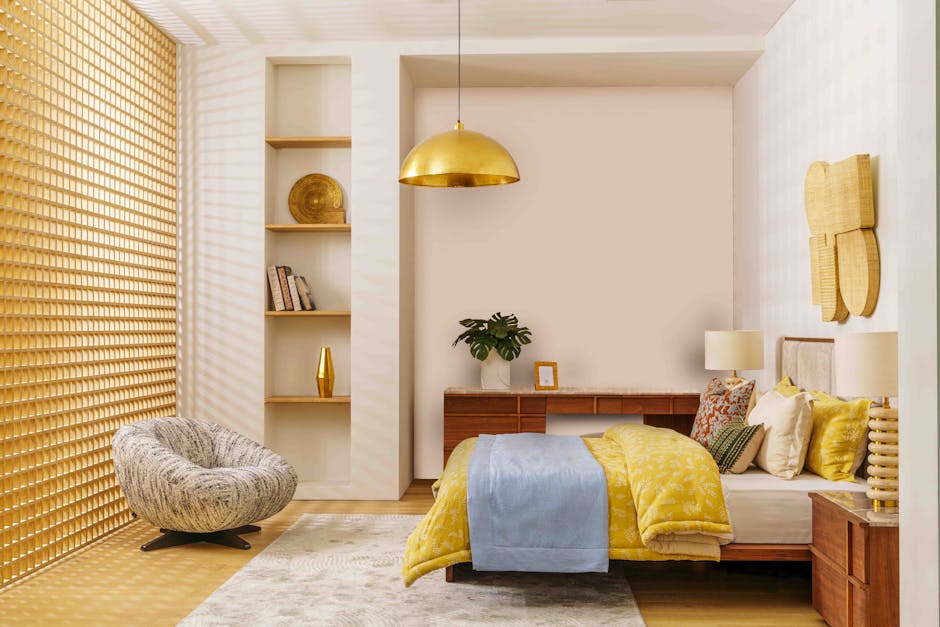
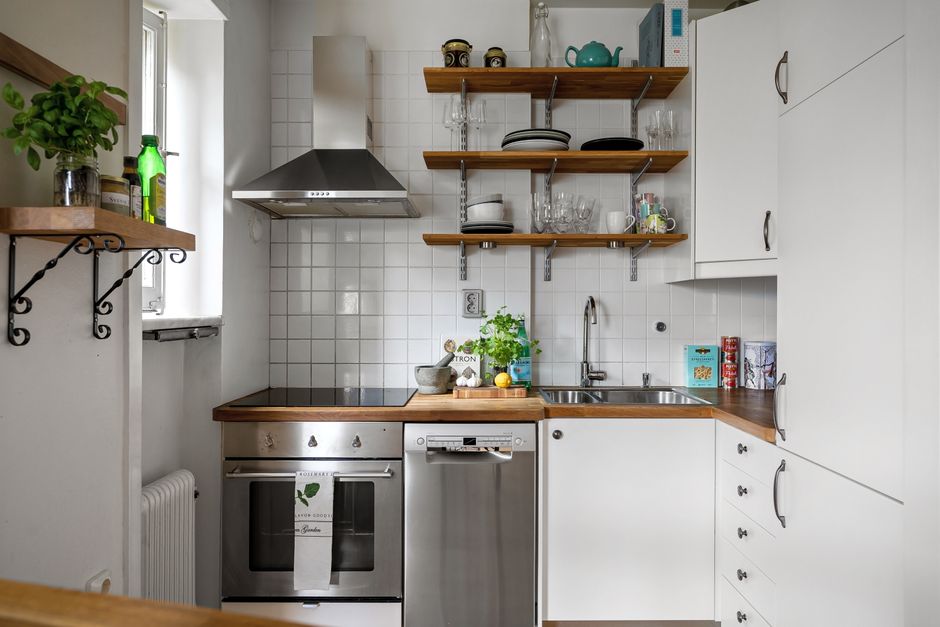
Creating a timeless interior design style involves a delicate balance between classic aesthetics and modern functionality. Unlike fleeting trends, a timeless design endures, offering elegance and sophistication that remains appealing for decades. This style is characterized by simplicity, balance, and an understated elegance that transcends fashion cycles.
Understanding Timeless Design
Timeless interior design is not about being static or boring. Instead, it embraces elements that bridge the past and present, creating spaces that feel familiar yet fresh. The essence of timeless design lies in its ability to adapt to changing tastes without losing its core aesthetic.
The Role of Color
Colors play a pivotal role in achieving a timeless look. Neutral palettes such as whites, beiges, grays, and muted tones are foundational, offering a backdrop that can be easily updated with accents and accessories. These colors provide versatility and complement a wide range of styles, from classic to contemporary.
For instance, the use of neutral colors in interior design is a well-documented approach that has stood the test of time. It allows for flexibility in decor, where bold colors can be introduced through artwork or textiles without overwhelming the space.
Investing in Quality Materials
A hallmark of timeless design is the use of quality materials. Investing in well-crafted furniture and finishes ensures longevity and durability. Materials like hardwood, marble, and natural stone not only add luxury but also age gracefully, developing character over time.

Consider incorporating materials that have historically been associated with durability and luxury. For example, a solid wood dining table or a marble countertop not only serves as a functional piece but also adds an element of elegance that withstands the passage of trends.
Balancing Modern and Classic Elements
Creating a timeless interior involves blending modern and classic elements in a cohesive manner. This balance can be achieved by integrating contemporary artwork with traditional furniture or juxtaposing sleek metal fixtures against rustic wooden beams.
To maintain harmony, focus on maintaining a consistent style across the space. Mixing too many different styles can create visual chaos, detracting from a timeless feel. A well-curated selection of pieces that complement each other can create a seamless flow.
Functionality Meets Aesthetic
While aesthetics are important, functionality should not be overlooked. Timeless design is as much about practicality as it is about beauty. The layout should facilitate ease of movement and cater to the lifestyle needs of the inhabitants.
For example, a living room designed for both relaxation and socializing should include comfortable seating arrangements, adequate lighting, and accessible storage solutions. This ensures the space remains practical without sacrificing style.
Embracing Sustainability
Sustainability is increasingly becoming a crucial aspect of timeless design. Choosing sustainable materials and practices not only benefits the environment but also adds to the longevity of the design itself. For example, using reclaimed wood or eco-friendly fabrics can contribute to a sustainable yet stylish home.
An insightful article on sustainable design by The New York Times highlights how eco-friendly choices are influencing contemporary design, making them a vital component of any timeless interior.
Personalization and Storytelling
A timeless design should reflect the personality and history of its occupants. Personal artifacts, heirlooms, and artwork can be integrated to add character and depth to a space. These elements tell a story, making the design unique and personal.
Incorporating items with sentimental value can transform a house into a home, ensuring that the design remains relevant and cherished over time.
Conclusion
Creating a timeless interior design style requires an understanding of balance, quality, and personal expression. By focusing on enduring elements and integrating them with personal touches, one can create a space that not only withstands the test of time but also reflects the unique essence of its inhabitants.
For those seeking further inspiration, the Architectural Digest offers a wealth of resources and examples of timeless design in action, providing ideas and insights for both novice and seasoned decorators.