Color is one of the most powerful tools in interior design, capable of transforming spaces, evoking emotions, and creating harmony. Whether you're redecorating a single room or reimagining your entire home, selecting the right color combinations is crucial to achieving a stylish and cohesive look. In this article, we explore the best color combinations for stylish home interiors, providing expert insights and real-world examples to inspire your next design project.
Understanding Color Theory
Before diving into specific color combinations, it’s important to understand the basics of color theory. The color wheel, a fundamental tool in design, organizes colors into a visual spectrum, allowing designers to see relationships between colors. Primary colors (red, blue, yellow) and secondary colors (green, orange, purple) form the basis of this wheel, with tertiary colors filling in the gaps.
Color harmony is achieved by selecting colors that relate well to each other. This can be achieved through complementary colors (opposites on the wheel), analogous colors (adjacent on the wheel), or triadic colors (evenly spaced around the wheel). Using these relationships, designers can create dynamic and aesthetically pleasing interiors.
Classic Color Combinations
Some color combinations have stood the test of time due to their versatility and universal appeal. Here are a few classic pairings that continue to be popular in interior design:
Black and White
The quintessential black and white color scheme is synonymous with sophistication and elegance. This timeless duo can be used to create a dramatic statement or a minimalist look, depending on how it's styled. The contrast between black and white adds depth and interest, making it ideal for modern and traditional interiors alike. For more depth, consider adding accents of gold or silver for a touch of luxury.

Blue and White
Blue and white is a fresh and crisp combination, often associated with coastal and nautical themes. This color scheme is calming and works well in living rooms and bedrooms. The versatility of blue allows for various shades to be used, from soft pastels to bold navy tones, paired with clean white for a refreshing look.
Trending Color Palettes
As design trends evolve, new color combinations emerge, reflecting the current zeitgeist. Here are some of the trending palettes making waves in home interiors:
Earthy Tones
Inspired by nature, earthy tones are gaining popularity for their warm and inviting qualities. Shades of terracotta, sage green, and warm browns create a sense of grounding and are perfect for creating cozy environments. These colors work well in living spaces and bedrooms, offering a connection to the natural world.
Soft Pastels
Soft pastels like blush pink, mint green, and baby blue are ideal for creating serene and airy spaces. These colors are often used in Scandinavian design, valued for their ability to enhance natural light and create a soothing atmosphere. Incorporating pastel tones into a nursery or a bathroom can infuse a sense of calm and tranquility.
Practical Tips for Choosing Color Combinations
Selecting the right color combination involves more than just personal preference. Here are some practical tips to guide your decisions:
Consider the Room’s Purpose
Different rooms serve different functions, and their color schemes should reflect this. For instance, bedrooms benefit from calming colors that promote relaxation, such as soft blues and greens. Conversely, dining rooms can handle bolder, more stimulating colors like reds and oranges, which can encourage conversation and appetite.
Natural Light
The amount and quality of natural light a room receives can significantly impact how colors appear. Rooms with abundant natural light can handle darker, more saturated colors, while dimly lit spaces may benefit from lighter, reflective shades to enhance brightness. For more insights on how light affects color, the Washington Post provides a comprehensive guide on managing natural light in home interiors.
Use the 60-30-10 Rule
To create a balanced color scheme, many designers rely on the 60-30-10 rule. This guideline suggests that 60% of the room should be a dominant color, 30% a secondary color, and 10% an accent color. This approach ensures a cohesive look without overwhelming the senses.
Incorporating Textures and Patterns
Color is just one aspect of design. Incorporating textures and patterns can add another layer of interest to your interiors. Different materials like wood, metal, and textiles can complement or contrast with your chosen color palette, adding depth and character to the space. For example, a velvet sofa in a deep green shade can add luxury and texture, while a patterned rug can introduce additional colors and patterns that tie the room together.
Real-World Examples
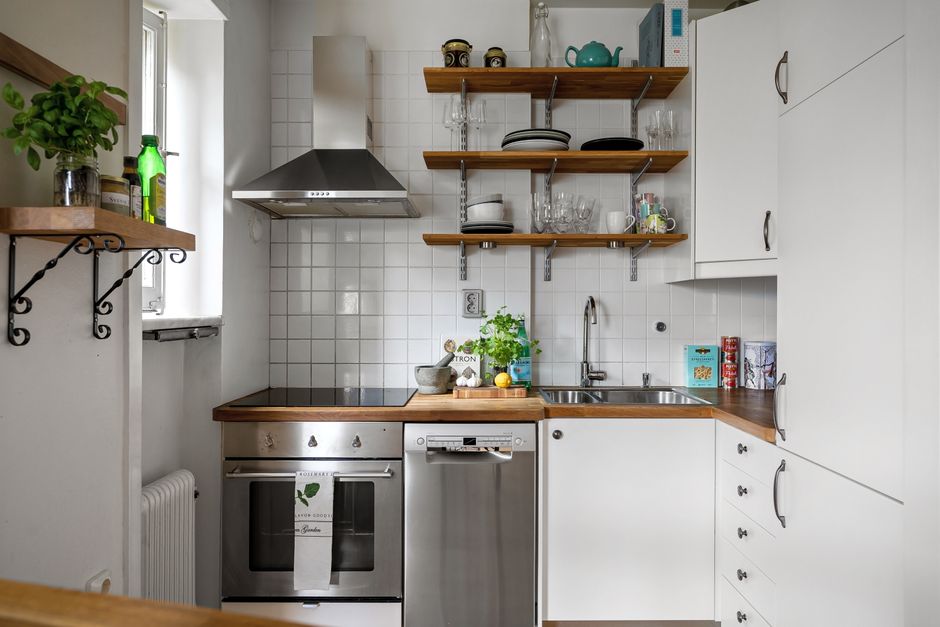
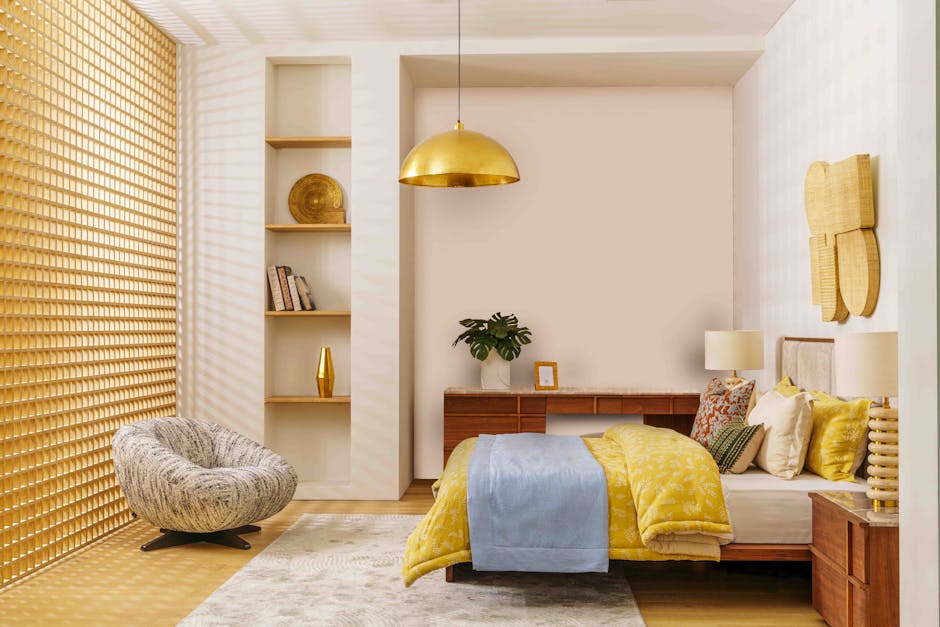
Looking to successful interiors for inspiration can be a great way to see how color combinations work in practice. The Architectural Digest frequently showcases homes that expertly use color to enhance architectural features and create stunning designs. For instance, a vibrant yellow accent wall can bring warmth to a modern living room, while a subtle grey and white palette can make a small kitchen feel more spacious.
Conclusion
The right color combinations can transform any space into a stylish and inviting home. By understanding color theory, staying informed about current trends, and considering practical factors like light and room function, you can create interiors that are not only beautiful but also functional. Whether you opt for classic pairings or explore new trends, the key is to choose colors that resonate with your personal style and enhance your living environment. For further reading on the psychology of color and its impact on mood, the Wikipedia page on color psychology offers valuable insights.