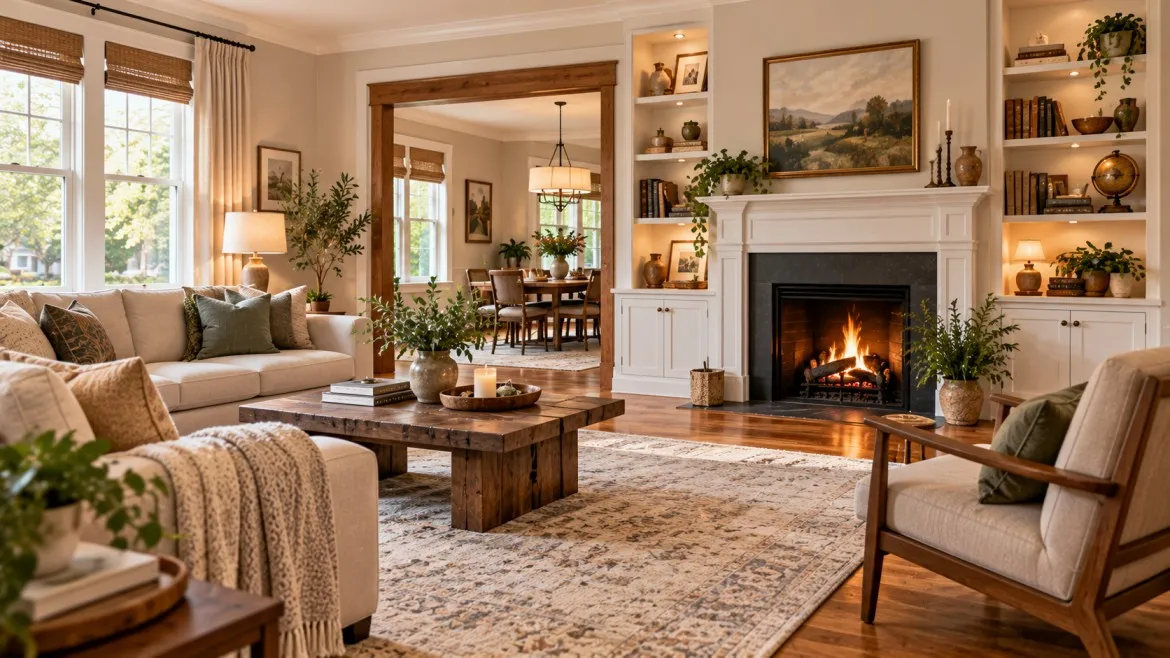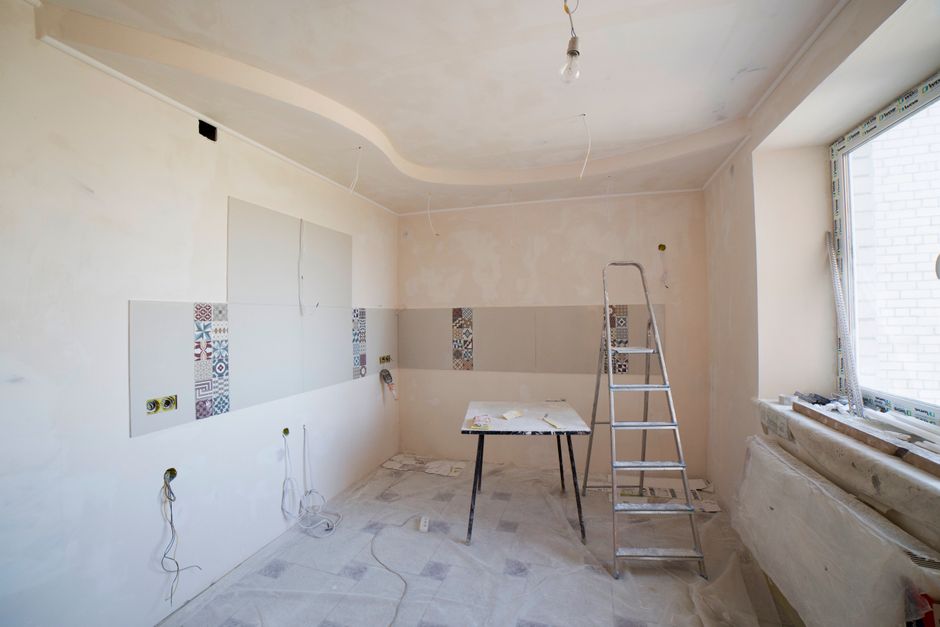
Renovating a home can be a daunting task, especially when you're on a tight budget. However, transforming your living space into a modern haven doesn't have to drain your savings. With a little creativity and strategic planning, you can achieve stunning results without overspending. Below, we delve into various budget-friendly home renovation tips tailored for modern homes.
Plan and Prioritize
The first step in any successful home renovation project is planning. Begin by creating a comprehensive plan that outlines your goals, budget, and timeline. Prioritize the areas that need the most attention and allocate resources accordingly. For instance, updating a dated kitchen or bathroom often yields the greatest return on investment.
Consider using free online tools to help visualize your project. Tools like SketchUp allow you to create detailed 3D models of your space, enabling you to experiment with different layouts and designs before committing to any changes.
Embrace DIY Projects
One of the most effective ways to save money on home renovations is to tackle do-it-yourself projects. Whether it's painting walls, installing new light fixtures, or building simple furniture, there are countless resources available online to guide you through the process. Websites like This Old House offer a wealth of tutorials and tips for DIY enthusiasts.
When considering DIY projects, ensure you have the necessary skills and tools to complete the job safely and effectively. For complex tasks such as electrical work or plumbing, it's advisable to hire a professional to avoid any potential hazards.

Focus on Paint and Lighting
Paint is one of the most cost-effective ways to refresh a space. A fresh coat of paint can instantly brighten up a room and make it feel more modern. Opt for neutral colors to create a clean, timeless look that appeals to a wide range of tastes.
In addition to paint, lighting plays a crucial role in setting the ambiance of a room. Updating old light fixtures or adding new lighting elements can dramatically change the appearance of your home. Consider energy-efficient options such as LED lights, which not only save on electricity bills but also last longer.
Repurpose and Upcycle
Before discarding old furniture or decor, consider how you might repurpose or upcycle these items. A little creativity can breathe new life into outdated pieces. For example, an old dresser can be transformed into a chic bathroom vanity, or vintage doors can be used to create a unique headboard.
Exploring flea markets, thrift stores, and online marketplaces can also yield affordable finds that can be customized to fit your modern aesthetic. Upcycling not only saves money but also adds a personal touch to your home.
Invest in Quality Over Quantity
When it comes to home renovations, it's important to invest in quality materials and craftsmanship, especially for high-use areas like the kitchen and bathroom. While it might be tempting to choose cheaper options, investing in durable materials can save you money in the long run by reducing the need for frequent replacements.
Look for sales, discounts, and clearance items at home improvement stores. Purchasing materials during off-peak seasons can also result in significant savings. For example, buying outdoor furniture in the fall may be more economical than during the spring or summer.
Consider Energy Efficiency
Modernizing your home with energy-efficient upgrades not only reduces your carbon footprint but also lowers utility bills. Consider replacing old windows with double-glazed ones to improve insulation or installing a programmable thermostat to optimize heating and cooling.
For more extensive energy-efficient renovations, you may qualify for government incentives or rebates. The U.S. Department of Energy provides information on various programs that can help offset the costs of energy-saving home improvements.
Seek Professional Help When Needed
While DIY projects are great for saving money, certain aspects of home renovation require professional expertise. Hiring experienced contractors for structural changes or specialized tasks ensures the job is done correctly and safely. Always get multiple quotes and check references before hiring any professional.
For those unsure about design decisions, consulting with an interior designer can provide valuable insights. Many designers offer hourly consultations that can help guide your project without committing to full-scale design services.
In conclusion, renovating your home on a budget is entirely achievable with proper planning and creativity. By focusing on key areas, embracing DIY projects, and making smart investments, you can modernize your space without breaking the bank. Whether you're updating a single room or undertaking a complete home makeover, these tips will help you achieve a stylish and functional modern home.