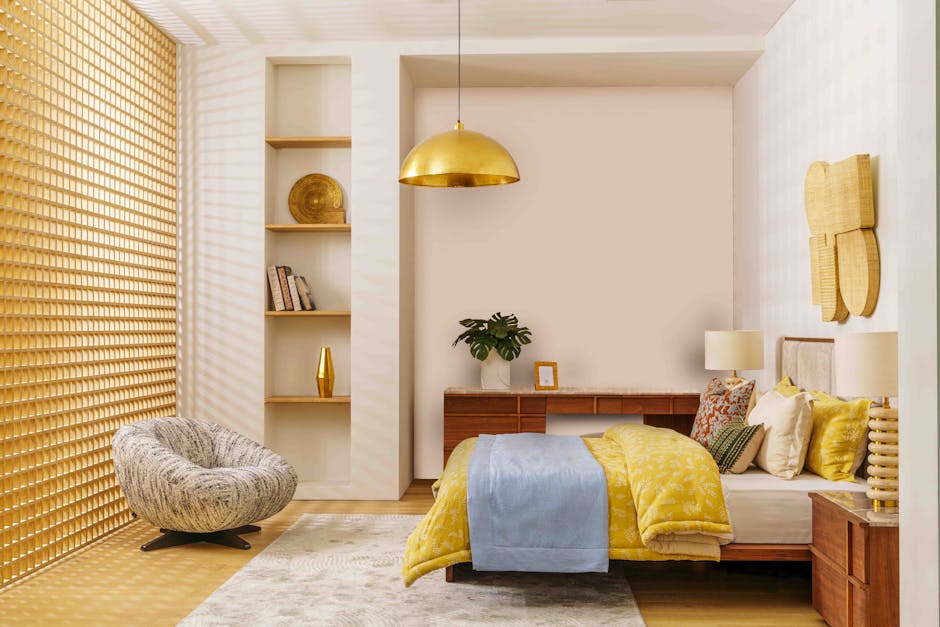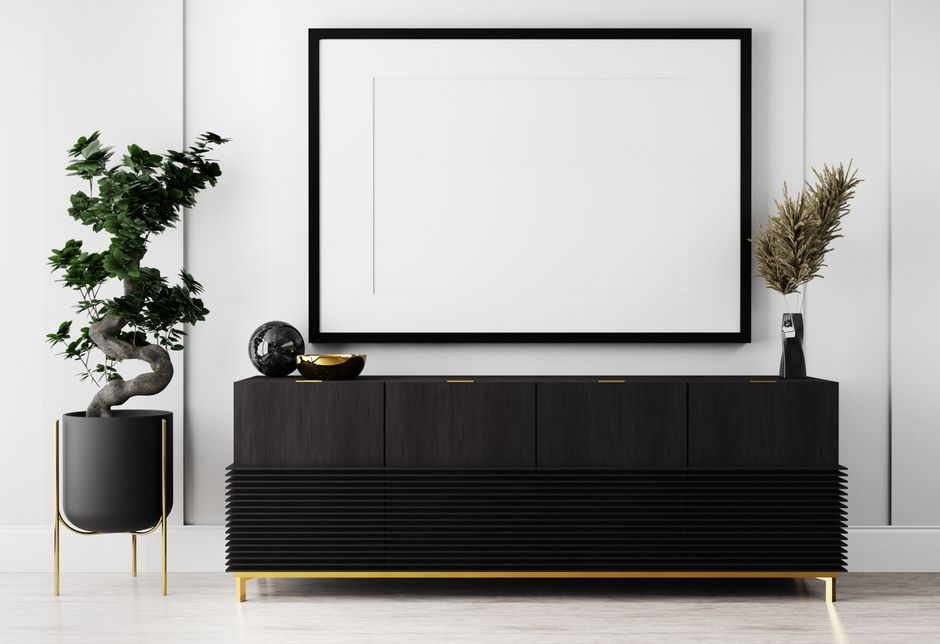
As we navigate through 2023, the world of interior design continues to evolve, presenting fresh ideas and innovative concepts. Modern interior design trends have shifted toward creating spaces that not only reflect personal style but also prioritize sustainability, functionality, and wellness. This article delves into the most significant trends influencing contemporary interiors, offering insights into how these elements can transform your living space.
Sustainable Materials and Eco-Friendly Design
One of the most prominent trends in modern interior design is the increasing demand for sustainable materials. In an era where climate change is a pressing issue, homeowners and designers alike are opting for eco-friendly alternatives. This includes the use of reclaimed wood, recycled metal, and natural fibers such as hemp and jute. For instance, brands like Green Building Advisor offer extensive resources on sustainable practices in construction and design.
Moreover, the rise of biophilic design—an approach that seeks to connect people with nature—has led to the incorporation of living walls, indoor plants, and natural light optimization. This not only enhances aesthetic appeal but also contributes to improved mental health and well-being.

Minimalism and Decluttering
The minimalist trend continues to reign in modern interior design. Characterized by clean lines, neutral color palettes, and an emphasis on functionality, minimalism encourages homeowners to declutter their spaces. The mantra of “less is more” resonates deeply, as people seek to create serene environments that promote relaxation and mindfulness.
Real-world examples include the Scandinavian design influence, which emphasizes simplicity and practicality. Brands like IKEA have popularized this approach, making it accessible to a broader audience. The key is to curate your space thoughtfully, selecting only items that bring joy or serve a purpose.
Bold Colors and Textures
While minimalism has its place, there is a notable shift towards bold colors and textures. Designers are increasingly embracing vibrant shades such as deep greens, rich blues, and warm terracotta tones. This trend is often referred to as “maximalism,” where the focus is on layering colors, patterns, and textures to create visually stimulating environments.
For example, the Pantone Color Institute recently highlighted the importance of earthy tones and dynamic contrasts in their color forecasts. These colors can be introduced through accent walls, statement furniture pieces, or decorative accessories, allowing homeowners to express their unique personalities.
Multifunctional Spaces
As remote work becomes more common, the need for multifunctional spaces has surged. Homes are being designed to accommodate various activities, from home offices to workout areas. This trend encourages the use of flexible furniture that can adapt to different needs, such as foldable desks and modular seating arrangements.
For instance, a living room might serve as both a relaxation area and a workspace, with the incorporation of stylish yet functional furniture. This adaptability is crucial in urban environments where square footage is often limited. The Forbes Home Improvement section frequently covers innovative solutions for maximizing small spaces.
Smart Home Technology
The integration of smart home technology is another defining trend in modern interior design. From smart lighting systems to automated thermostats, technology is seamlessly blending with aesthetics. Homeowners are increasingly looking for systems that enhance convenience and energy efficiency without compromising design.
Smart devices can be controlled through mobile applications, allowing users to customize their environments easily. For example, voice-activated assistants can manage lighting and sound systems, creating a tailored experience that aligns with individual preferences.
Personalization and Artisanal Touches
The desire for personalization has led to a resurgence of artisanal and handcrafted items in interior design. Homeowners are seeking unique pieces that tell a story, whether through locally sourced artwork, handmade furniture, or bespoke decor items. This trend not only supports local artisans but also adds character to spaces.
Incorporating personal mementos, family heirlooms, or custom-designed pieces can make a house feel like a home. This approach emphasizes the importance of individuality in design, moving away from mass-produced items to more meaningful selections.
Conclusion
Modern interior design trends reflect a broader cultural shift towards sustainability, functionality, and personal expression. By embracing eco-friendly materials, minimalist principles, bold colors, multifunctional spaces, smart technology, and personalized touches, homeowners can create environments that not only look good but also enhance their quality of life. As these trends continue to evolve, they remind us that our living spaces can be both beautiful and purposeful.