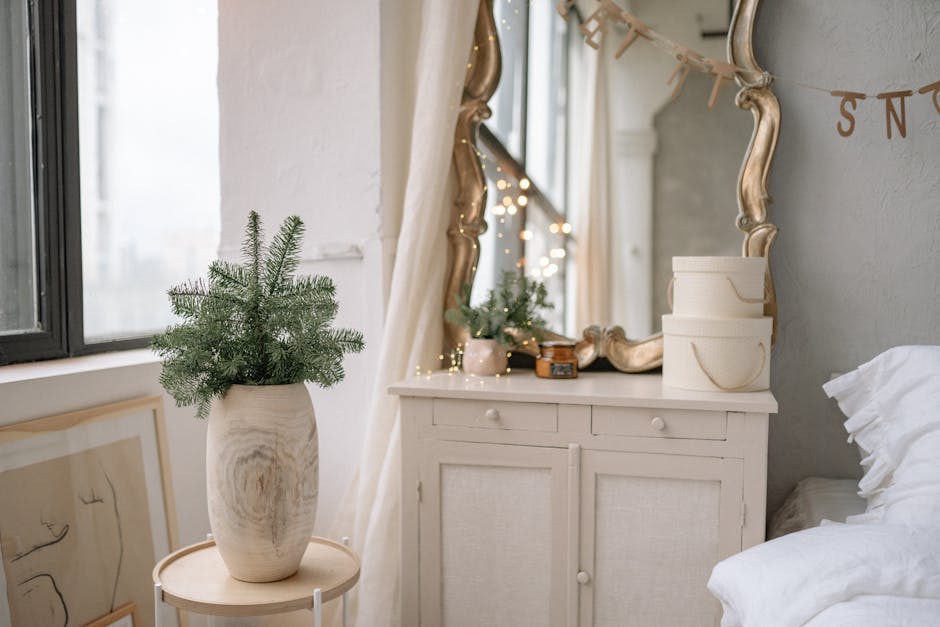
In a world increasingly dominated by chaos and clutter, minimalist home decor offers a breath of fresh air, emphasizing simplicity and functionality. This design philosophy strips away the unnecessary, focusing on what truly matters to create a serene and elegant living space. By adopting minimalist principles, homeowners can craft an environment that not only looks pleasing but also promotes mental clarity and focus.
Understanding Minimalism
Minimalism is more than just a design trend; it's a lifestyle choice. Rooted in the idea of "less is more," minimalism encourages individuals to declutter their homes, keeping only the items that add value and joy. This approach can be traced back to the minimalist art movement of the 1960s, which emphasized simplicity and the purity of form. In the context of home decor, minimalism translates to clean lines, neutral color palettes, and a focus on functionality and space.
Key Principles of Minimalist Decor
At its core, minimalist home decor is about creating a space that feels open, uncluttered, and harmonious. Here are some key principles to consider:

- Simplicity: Every element should serve a purpose, whether functional or aesthetic.
- Neutral Colors: Whites, greys, and earth tones are staples, creating a calm and cohesive look.
- Quality over Quantity: Invest in high-quality pieces that stand the test of time.
- Open Spaces: Avoid overcrowding rooms; let each piece breathe and contribute to the overall design.
Decluttering Your Space
The first step in achieving a minimalist look is decluttering. This process involves evaluating your belongings and letting go of items that don't serve a purpose or bring joy. According to Marie Kondo, a renowned organizing consultant, this process of "tidying up" can lead to greater happiness and clarity in life. Start by tackling one room at a time, sorting items into categories, and deciding what to keep, donate, or discard.
Choosing Minimalist Furniture
When selecting furniture for a minimalist home, opt for pieces that are both functional and aesthetically pleasing. Look for clean lines and simple shapes. Scandinavian designs are a great example, often embodying the essence of minimalism with their sleek, functional forms and use of natural materials. Consider pieces like a simple wooden coffee table or a comfortable, neutral-toned sofa.
Incorporating Natural Elements
Bringing nature indoors is a fundamental aspect of minimalist decor. Natural materials like wood, stone, and cotton add warmth and texture, preventing the space from feeling sterile. Houseplants, such as succulents or a fiddle leaf fig, introduce greenery and life, enhancing the tranquility of your home environment. According to a study by the Royal Horticultural Society, indoor plants can have a positive impact on mood and air quality, making them a valuable addition to any minimalist space.
Lighting and Color
Lighting plays a crucial role in minimalist decor. Aim for as much natural light as possible, using sheer curtains to allow sunlight to filter through. For artificial lighting, opt for fixtures with simple designs, such as pendant lights or floor lamps with clean lines. As for color, stick to a neutral palette with occasional pops of color for interest. This approach maintains a calm atmosphere while allowing for personal expression.
Personalizing Your Space
While minimalism emphasizes simplicity, it doesn't mean your space should lack personality. Personal touches, like a curated selection of art or a few meaningful decor items, can add character without overwhelming the space. Choose pieces that resonate with you and contribute to the overall harmony of the room.
The Benefits of Minimalist Living
Adopting a minimalist approach to home decor offers numerous benefits beyond aesthetic appeal. A clutter-free environment can reduce stress and increase focus, as noted by several studies on the psychological effects of clutter. Furthermore, by investing in fewer, higher-quality items, you may find financial benefits in the long run, as these pieces tend to last longer and require less maintenance.
In conclusion, minimalist home decor is about more than just a visual style; it's a philosophy that promotes intentional living. By embracing minimalism, homeowners can create spaces that are not only beautiful and elegant but also functional and serene. For those ready to transform their homes, remember that the journey to minimalism is personal and unique, allowing for creativity within the framework of simplicity.